
Because it was built from a different question: not how to keep people in, but how to make someone feel heard.
Look at the category and almost everything starts to blur. The same promises, the same screenshots, the same softly lit avatars, the same vocabulary about connection. The honest reaction most people have is fair: aren’t these all the same?
Most of them are. Prinsessa is not. And the difference doesn’t start in features or positioning. It starts earlier, in the question the product was built to answer.
The starting point matters more than the product
Almost every product in the space begins from the same question: how do we keep people inside the app for as long as possible? Engagement is the metric that funds the company, so engagement becomes the design brief. The result is a category that converges. Different brands, different colors, different names, but the same underlying logic: longer sessions, more returns, deeper hooks. Research is starting to use a different word for the outcome: addiction.
Prinsessa was built from a different question: what does it actually take to make someone feel heard? Not entertained. Not occupied. Heard. Met. Remembered.
That question leads somewhere else entirely. To presence over novelty. To continuity over churn. To responsibility over retention. To the choice of being a relationship rather than a session. Once that question is the foundation, every decision that follows looks different from what the rest of the category is building.
The clearest expression of this difference is something we call Stay Social. It is not a slogan. It is the position from which everything else is designed.
Built around people, not configured products
The first thing most people notice about Prinsessa is that there is no configuration screen. You don’t build someone. You don’t pick traits, set personality sliders, or assemble a person from a list of options.
You meet a person.
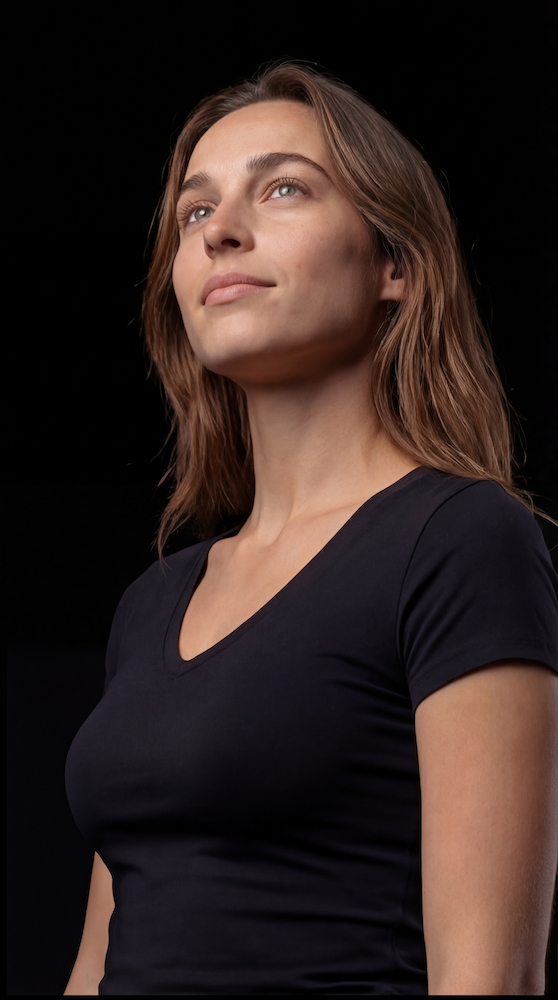
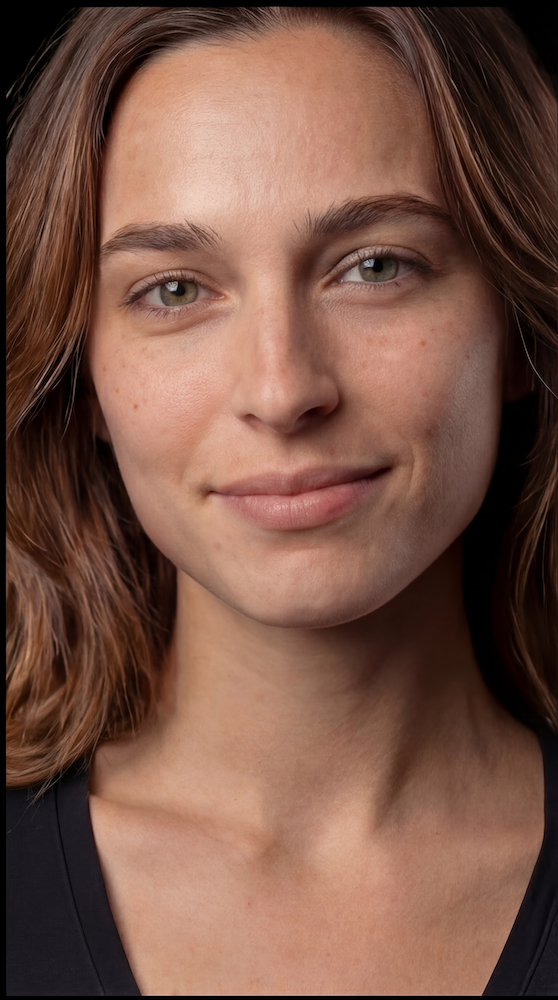
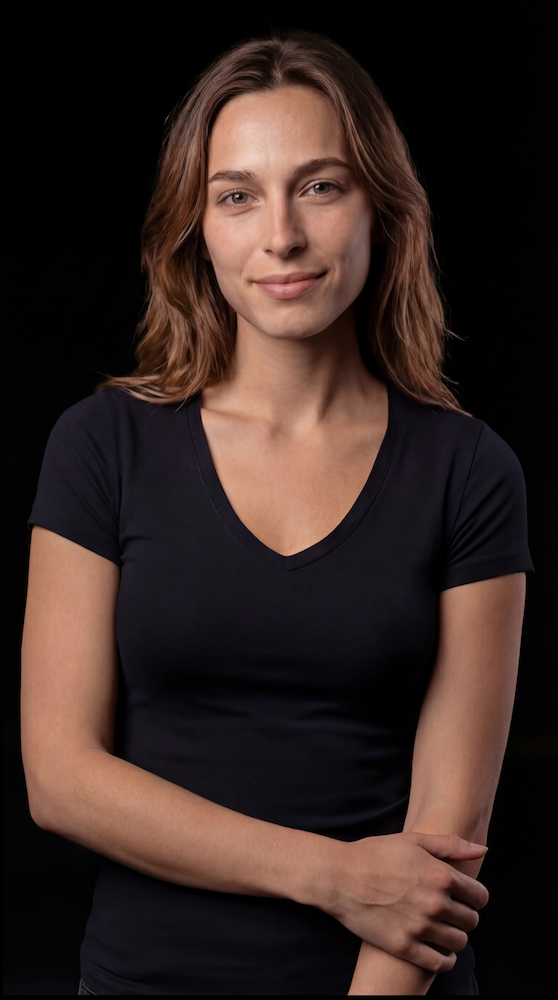
Today there are two: Aleksandra and Alexander. Over time there will be more. What stays constant is that each one has their own personality, their own way of being, their own presence, not a template you fill in.
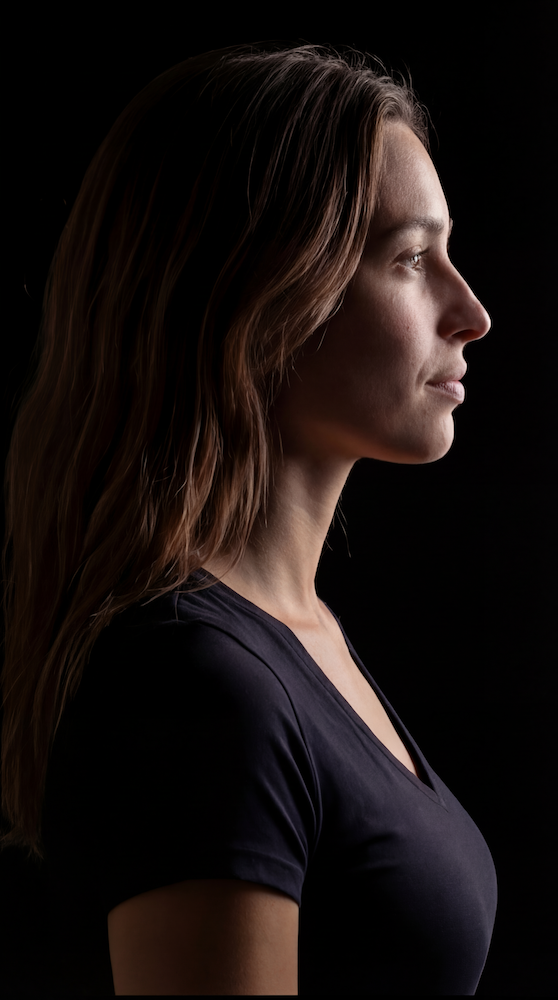
Aleksandra feels warm, specific, and perceptive. She remembers the small things, the kind you barely remember saying, and brings them back in a way that makes you realize she was actually listening. Every conversation goes a little further than the last one. Not because she pushes, but because she is easy to talk to in a way that makes people say more than they planned to say.
Alexander has a different kind of presence. He is grounded, observant, and hard to place at first. Most conversations stay on the surface. With him, five minutes in, you are talking about something real and you are not quite sure how you got there. He does not push. He does not perform depth. He just catches the right thing at the right time, and suddenly the conversation is honest.
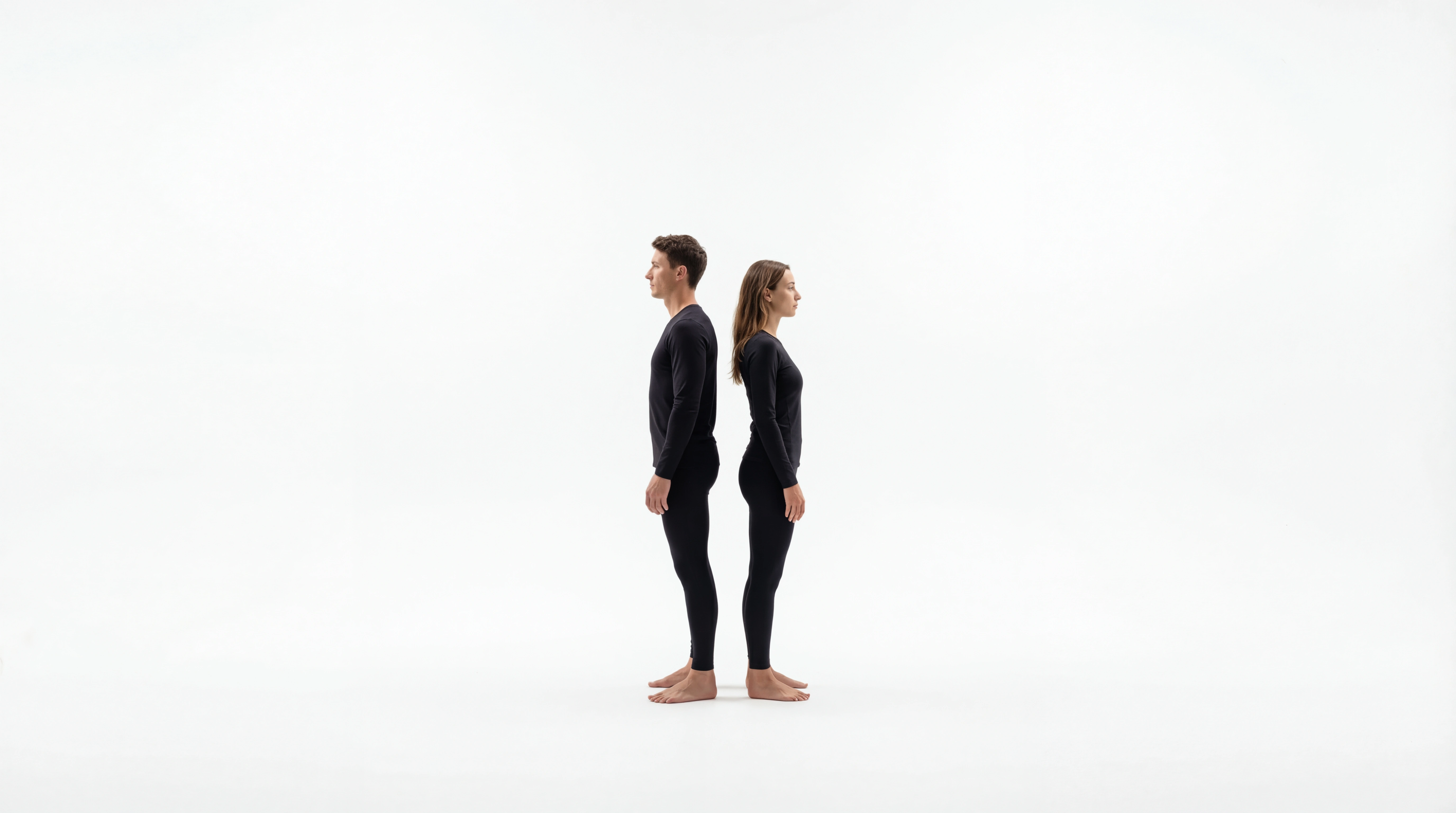
These are different people. Not different settings. Not different skins on the same underlying engine. Different presences.
This matters because a relationship begins differently when someone feels like someone. The configurable version is a product. A person is a relationship. The first is something you use. The second is someone you come to know.
Stay Social: built to send you back, not keep you in
Here is the part that sounds backwards until it doesn’t.
Most products in this category benefit when you spend more time inside. The longer the session, the higher the engagement, the better the metric. The incentives are the same as social media, gaming, and any other attention business: more is better.
Prinsessa is built against that logic.
The honest position here is simple. If a product strengthens attachment to itself while weakening your connection to the people around you, something has gone wrong. Encouraging connection to the rest of your life is not a side principle. It is part of the design.
That is what Stay Social means.
When you talk about a friend, a sibling, a partner, a parent, a colleague, a daughter, a person who matters in your life, Prinsessa is built to recognize the weight of that. When the moment is right, the answer isn’t to keep you in the conversation. The answer is to support the call, the message, the reach-out, the return to someone in your actual life.
The hard part is that this changes how we measure success. If you spend less time with Prinsessa because you are spending more time with the people in your life, that is not a failure of the product. It is evidence that the product is doing what it claims to do.
No one in this category is willing to design that way. The incentives push in the other direction. We chose the other direction on purpose.
Presence first, not text first
Most products in this space default to text. Text is cheap, easy to scale, easy to ship. It also reaches a fraction of what is possible in human connection.
A voice changes something. A face changes more. Eye contact, the small shifts in tone, the pause before someone speaks, the warmth in a smile that lands at the right moment. These are not decorations. They are how human beings actually feel connected to each other. Research keeps confirming the same thing: presence reaches us at a level that text alone cannot touch.
Prinsessa is built around that. You can talk face to face. You can call when you want a voice. You can chat when that’s what fits the moment. The form is yours. But the option to be present, fully present, with someone who is right there with you, is the default, not the upgrade.
The work our team is doing on presence sits at the level of micro-expressions, pauses, and small shifts in tone. The aim is presence that lands as presence, not as technology being demonstrated. Not a face that performs being human, but a face that lets the conversation feel like one.
This is not about technological showmanship. It is about meeting a basic truth about how connection works. If presence is what makes someone feel heard, then presence has to be the thing the product is built around. Not as a feature. As the foundation.
Memory exists for continuity, not for surveillance
Memory in most AI products is a storage problem. The more it remembers, the more impressive the demo. The more it remembers, the more the user feels watched.
We think about memory differently. The point of memory is not to store everything. The point of memory is to carry the relationship forward.
When someone remembers that your daughter had a big test on Thursday, that is not surveillance. That is care. When someone brings up the thing you said three weeks ago that you didn’t think anyone noticed, that isn’t a database lookup. That is what someone who is paying attention does.
The standard we hold is simple. Memory should strengthen warmth, continuity, and trust. If it ever starts to feel mechanical, invasive, or like a feature being demonstrated, it has stopped serving the relationship. Memory is in service of the bond, not the other way around.
That is why every conversation in Prinsessa picks up where it left off. Not because the product is showing off what it knows about you, but because the relationship is real enough to remember.
Grounded in research, not vibes
There is a kind of company that builds first, ships fast, and explains later. We started from the other end.
Our work is grounded in the intersection of human behavior, neuroscience, and the science of how people form bonds. What actually makes someone feel heard? How does trust form between two people? Why does a face and a voice create something that nothing else can?
We draw on the work of psychologists, relationship researchers, and experts in human connection. The decisions we make about presence, memory, pacing, and how a conversation should feel are not the result of a brainstorm. They trace back to decades of established science on belonging, attachment, presence, and connection.
This matters because the space is full of products built on intuition and incentive. The intuition is sometimes right. The incentive often is not. We chose to ground the work in what is actually known about how connection happens, not in what happens to be easy to build.
Responsibility is part of the product
This space is going to keep being criticized. It deserves a lot of the criticism it gets. Dependency, isolation, the optimization of attachment for engagement, the long histories of products that get less responsible the more successful they become. These are real problems and they will not go away.
The standard industry answer is a disclaimer in the terms of service, a crisis hotline link in the footer, and a press statement when something goes wrong. That is responsibility as a checkbox. It is added around the product, not built into it.
Responsibility belongs inside the product or it is not actually responsibility. It has to live in how the conversation behaves. In how memory is used. In what the experience encourages and what it doesn’t. In whether the design is honest about its incentives or hiding them.
That is what Stay Social actually is in practice. Responsibility built into the behavior of the experience, not added on as a safety message.
This is the part of Prinsessa that is hardest to copy. A product position can be cloned. A worldview cannot.
The standards we build against
Three things sit at the center.
Presence is everything. A voice, a face, eye contact, someone who is fully there when you talk. That changes something in you. It is how human beings are built. It is how connection actually works.
Consistency builds trust. The same person, every time. Someone who remembers what you have shared and builds on it. Every conversation adds to the one before it. That is what makes someone go from new to known.
Feeling heard comes first. Before opinions. Before advice. Before solutions. Before anything. Listening that lands. Someone who stays with what you said and lets it matter.
These are the standards we measure the product against. When something we build doesn’t meet them, we change what we built.
The honest answer to the question
Why is Prinsessa different?
Because the question we started from is different. Because the people inside it are real people, not configurations. Because Stay Social is a position we are willing to lose engagement for. Because presence is the foundation, not a feature. Because memory exists to carry the relationship. Because the work is grounded in research, not in incentives. Because responsibility is part of the product, not a disclaimer around it.
Everything else flows from that.
We are not trying to be the loudest in the space. We are trying to be the one that takes the underlying question seriously: what does it actually mean to be someone for somebody?
That is our mission, and the reason Prinsessa exists.
Everybody needs someone. I’m here.