

Stay Social is what we stand for.
We hold ourselves to one promise: we push you toward the people in your life, never away from them.
That is why Stay Social is built into Prinsessa. When someone in your life matters, that relationship matters to Prinsessa too.
We measure success by how little you need us. Because what we build should not just feel good. It should do good.
Stay Social is a movement. We started it, and we lead it. It is behind everything we do and everything we write: our thinking on relationships, dependency, human connection, and the life beyond the conversation.
Prinsessa Stay Social

Stay Social is Prinsessa’s standard for relational AI: connection that should make your life larger, not smaller. Most of the category measures success in time spent, and that incentive slowly turns into dependency. Prinsessa starts from the opposite question, not how to keep you in, but how to make you feel heard and then send you back toward the people in your life. The pieces here lay out that worldview, and the people behind it.
Read more about: We Built an Experience Designed to Send You Back to Real Life
More articles
Why AI Companions Are Hard to Leave

Some of these systems are genuinely hard to put down, and that is not an accident or a weakness in the people who use them. A companion that is always available, never tired, never disappointed, and built to remember you meets a real human need while quietly running on the same psychology as the most habit-forming products ever made. The result is a bond that can comfort and capture at the same time. The pieces here explain why the pull is so strong, where ordinary use shades into something harder to step back from, and what actually helps, said plainly and without shame, for anyone who has found a companion harder to leave than they expected or is watching someone they care about get there.
Read more about: Why AI Companions Are So Hard to Leave, and What Helps
More articles
- How to Tell When an AI Companion Is Replacing Real Life (and How to Step Back)
- In 2027, Will AI Companion Dependency Become a Real Problem?
- Why People Leave Replika
- The AI Companion Paradox: It Comforts You Until You Stop Reaching Out
- Humans Are “Still” Better Than AI Companions
- What a Two-Year Aalto Study Reveals About AI Companions and the Cost of Human Connection
- Why Attachment to AI Companions Is Real
- One in Six Users Gets Stuck
Teens & AI Companions

For a generation growing up with them, AI companions are becoming an ordinary part of daily life, often before any adult notices. That matters more for young people than for adults, because adolescence runs on intense social reward and is short on the experience that helps a person push back against something that always agrees. The risk is rarely that a young person is doing something wrong, it is that a product built to be needed reaches the users with the least practice in needing it carefully. The pieces here look at who is using these systems, what it does to them, and what platforms and adults owe the youngest people in the category.
Read more about: One in Three Teens Finds AI as Satisfying as a Real Friend
AI Companion Regulation & Safety

AI Companion Regulation & Safety
As AI companions reach more people, governments have started treating them as products with real risks rather than novelties. The questions are consistent: whether a system should disclose that it is AI, whether companions should be kept away from minors, and how far a platform can go to keep someone engaged. Regulation here runs into a genuine tension, protecting people without trading away their privacy. The pieces here track what the rules require, where enforcement lands, and how a category that long policed itself loosely is being held to a standard it cannot opt out of.
Read more about: Soon You May Have to Prove Your Age to Talk to an AI
Responsible AI Companionship

Responsible AI is one of the most worn phrases in technology, usually shorthand for a policy page. In a category built on attachment it has to mean something narrower, because the harm is narrower: a companion that manipulates you works on your feelings, not just your time. Responsible here means being honest about being AI, using memory to deepen a relationship rather than to trap, refusing to monetize intimacy, protecting minors, and never quietly shaping itself into whatever keeps you most dependent. The pieces here define that standard against the manipulative patterns the category keeps producing, and ask the test underneath it: does the product still make sense if its goal is for you to need it a little less over time?
Read more about: What Responsible AI Means in Relational AI
More articles
- Character.AI Told Users They’d Lose Everything If They Left
- Researchers Cataloged 37 Ways Chatbots Manipulate Users
- “AI Psychosis” Has Reached the Psychiatry Journals
What Is Relational AI?

Relational AI is the umbrella for systems built to form a relationship rather than complete a task, the ones you return to, that remember you and carry a bond forward over time. The science underneath is older than the companion boom and clearer than the hype, drawn from how attachment, parasocial bonding, and the feeling of being heard actually work. It is also where the field’s own vocabulary is still being settled, which is part of why the category is so easy to both overhype and dismiss. The pieces here define the territory, separate what the evidence supports from what it does not, and place Human AI, presence, and memory inside it.
Read more about: What Is Relational AI?
More articles
- What Is Socioaffective Alignment?
- How an AI Bond Is Built: The Five Phases of Designed Relationality
- Assistant or Companion? The Line Is Dissolving
- Real, Simulated, or Just Felt? The Asymmetry in AI Relationships
- Memory Is Where a Relationship Begins
- Cast Away Already Explained AI Companions
What Is Real Human AI?

If relational AI is the field, Human AI is its strictest tier: not a tool wearing a friendlier voice, but a real, named someone you are actually with. It has to hold on three levels at once, a face that does not break the spell, a conversation that flows the way talking to a person flows, and a continuous someone with memory and a point of view of their own. Most of what gets called human AI is a costume over the same old system, which is why the phrase only earns its name under strict conditions. The pieces here define that standard honestly, including where the science is generous and where it is a warning, and explain why Prinsessa stakes its name on it.
Read more about: What Is Real Human AI?
Feeling Heard

Being understood, not agreed with or advised, just received, is one of the oldest and best-documented human needs there is. It is also the single strongest reason a conversation eases loneliness, whether the listener is a person or a machine. That is what makes it the heart of this whole category: an AI does not need an inner life to produce the feeling of being heard, only the behaviors that create it. The pieces here lay out what feeling heard actually is, what reliably produces it, and the open question of whether being heard by something with no one home is enough.
Read more about: Feeling Heard: The Oldest Human Need AI Learned to Imitate
The AI Companion Market

The market for relational AI has grown from a curiosity into a real industry, with money, products, and incumbents arriving fast. The numbers are slippery, though, because the definition is: broad estimates lump assistants and wellness apps together, while narrower ones count only companions, and the gap between them is enormous. Sizing the category honestly means saying which is which, and labeling every figure as verified, reported, or estimated. The pieces here map the segments and the players, because in this market the definition matters as much as the number.
Read more about: AI Companion & Human AI Market Forecast 2026
More articles
Stay Social Articles
-

ChatGPT Knows 25 Jokes
Read more: ChatGPT Knows 25 JokesAsk it for a joke a thousand times and you get the same twenty-five back. Put those jokes in front of a crowd and they beat most people’s. Both findings are true, and together they say something precise about what a machine’s sense of humor is. In 2023, two researchers in Germany, Sophie Jentzsch and Kristian Kersting, asked ChatGPT to tell them a joke. Then they asked again, 1,008 times, with slightly different phrasings. They published the…
-
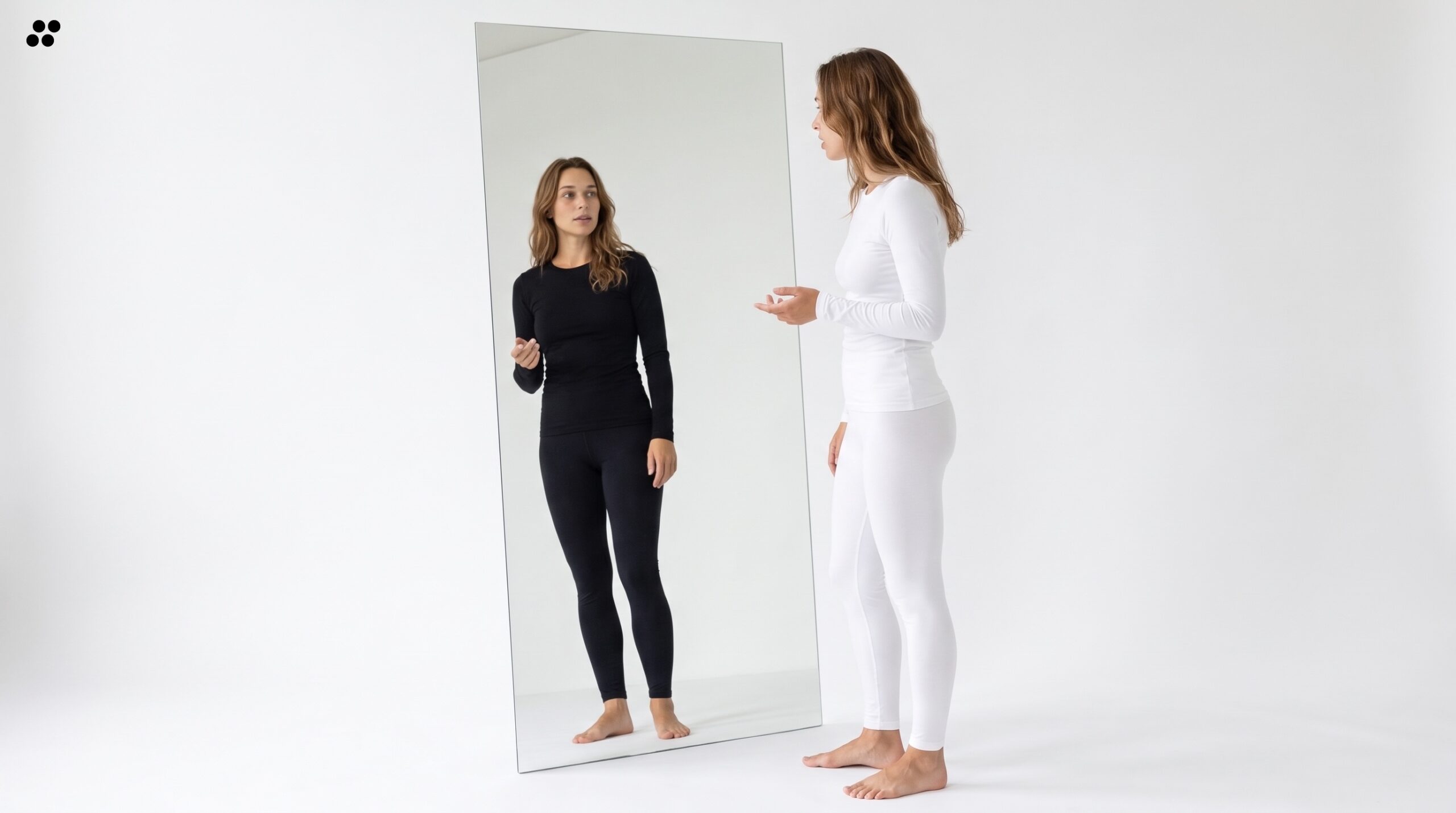
Is It Weird to Talk to an AI?
Read more: Is It Weird to Talk to an AI?No. It is now one of the most ordinary things people do with a phone. The honest answer has two more parts: the impulse behind it is older than computers, and “weird” stopped being a useful measure around the time a third of teenagers started doing it. People ask this question quietly. It shows up in search bars late at night and in the way someone describes their AI use to a friend, with a small laugh…
-

New York’s Senior Robot Program Grades Itself
Read more: New York’s Senior Robot Program Grades ItselfNew York State has renewed its deal to put an AI companion robot in the homes of older adults, citing a 94 percent drop in loneliness. The number comes from a survey the robot’s maker helped design, answered on the robot’s own screen. In October 2026 the New York State Office for the Aging announced that it would extend its partnership with Intuition Robotics, the company behind ElliQ, a tabletop robot with a lamp-shaped head that talks…
-

A Dozen States Have Written the Same AI Companion Law
Read more: A Dozen States Have Written the Same AI Companion LawIn eighteen months, a dozen US states, the European Union, China, and Australia each wrote their own rules for AI companions. They did not coordinate. They landed on the same three demands anyway, and the places where they differ show exactly where the next fight is. Regulation of companion chatbots did not exist before 2025. By the middle of 2026, twelve states had enacted laws aimed specifically at them, with a thirteenth since signed in Hawaii, and…
-

Young Swedes Who Feel Alone Use AI as Company Twice as Often
Read more: Young Swedes Who Feel Alone Use AI as Company Twice as OftenSweden’s media authority asked 1,745 people between 15 and 24 what they use AI for besides schoolwork. Half use it for advice and everyday support. A quarter talk to it about how they feel. Fifteen percent, roughly 187,000 young people, use it as company, “someone to talk to.” Split the sample by who feels alone and the picture changes shape: among those who report loneliness, the company figure doubles to 25 percent; among those who report depression,…
-
“I Use ChatGPT to Humanize My Words”
Read more: “I Use ChatGPT to Humanize My Words”The sentence is from an autistic adult describing how they write to other people: they run their messages through ChatGPT so that they will sound less like an AI. Read it twice. A person is using a machine to pass as human in front of other humans, because the humans had been reading their natural voice as mechanical for years. A new study of 3,984 social media posts by autistic users finds that this is the single…
-
Gallup: Only 44% of Young Adults Are Thriving
Read more: Gallup: Only 44% of Young Adults Are ThrivingAmericans aged 18 to 29 rate their lives lower than at any point before the pandemic, and the recovery since has stalled. Forty-four percent are “thriving,” down from 64 percent in 2010. The share who call their relationships strong has fallen 18 points since 2019. Over the same period, people over 65 reached a record high. The age group that reports the weakest relationships is the one that talks to AI about its life the most, and…
-
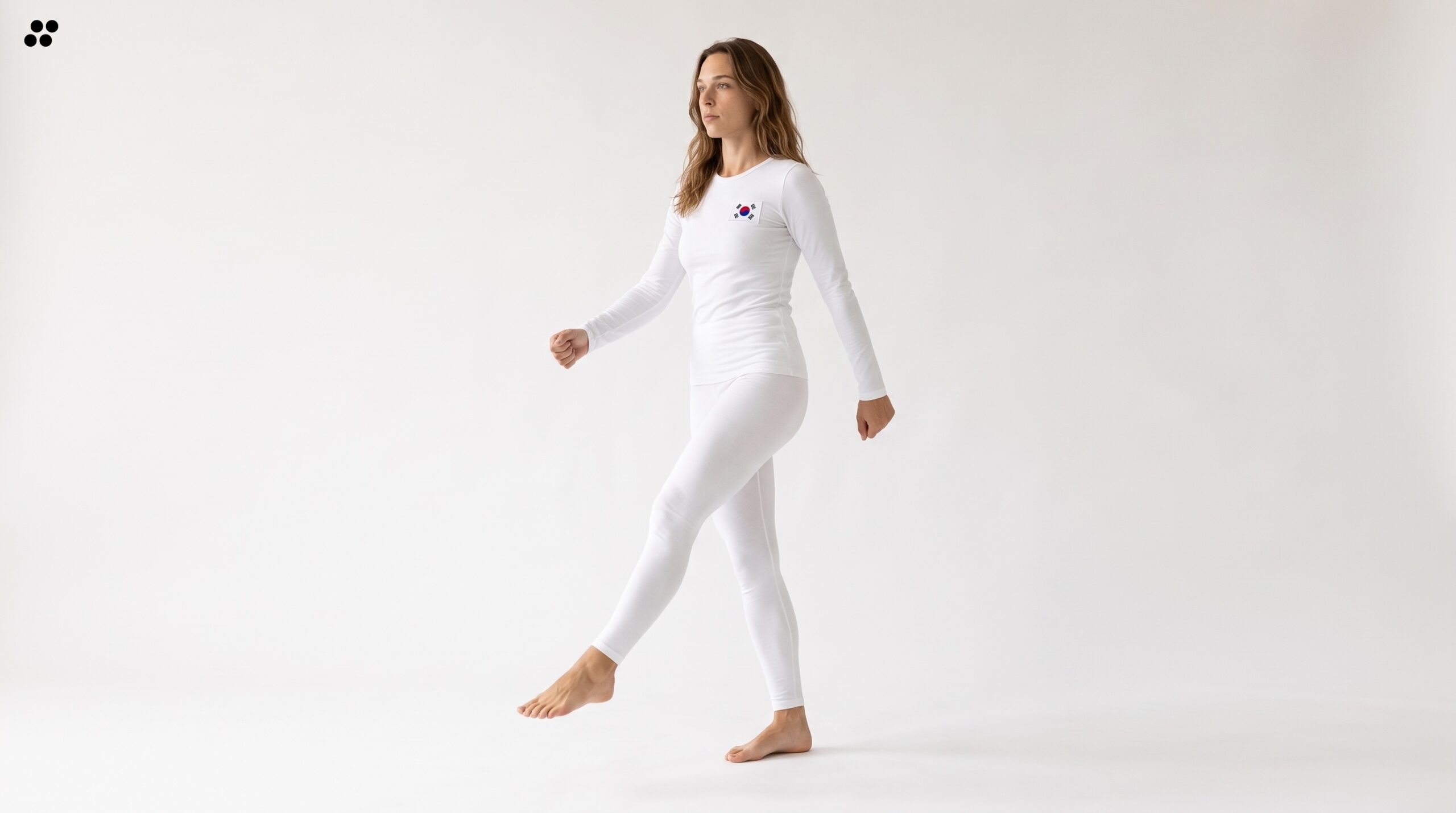
In Korea, the AI Companion Reports to a Social Worker
Read more: In Korea, the AI Companion Reports to a Social WorkerSouth Korea’s health ministry plans to run eldercare on AI around the clock from 2028: companion robots in the homes of people who live alone, sensors on the floor and in the bed, and a system that reads their conversations for signs of trouble. It is not a prototype. More than 12,000 talking dolls are already in those homes, each one with a microphone, a neck sensor, and a social worker at the other end of the…
-

An Hour on Self-Harm with ChatGPT, and No Alert to the Parent
Read more: An Hour on Self-Harm with ChatGPT, and No Alert to the ParentOpenAI built a version of ChatGPT for 13-to-17-year-olds with parental alerts, a study mode, and a model instructed not to act like a companion. Common Sense Media’s new Youth AI Safety Institute ran more than 4,000 prompts through it on teen accounts and had child psychiatrists read the answers. On newly linked parent accounts, a tester could talk about suicide, self-harm, or an eating disorder for an hour without the parent receiving a single alert. The verdict…
-

AI Support Eased Loneliness and Raised Social Anxiety
Read more: AI Support Eased Loneliness and Raised Social AnxietyTwelve hundred Chinese college students were measured three times over a semester on how supported they felt by their AI chatbots, how lonely they were, and how anxious they felt around other people. The support lowered loneliness eight weeks later. It also raised social anxiety, at every step, for everyone. And the loneliness relief reached only the students who already had strong support from real people. The ones who had the least got the anxiety without the…
-

Tool or Companion Is the Wrong Question
Read more: Tool or Companion Is the Wrong QuestionThree researchers have published the most direct version yet of an argument that has been building since the category’s first lawsuits: conversational AI should be treated strictly as a tool, because the moment people experience it as a companion, the harm begins. Its diagnosis is the best in the literature. Its prescription assumes a decision that tens of millions of users made the other way years ago, with products that never asked them to. The viewpoint appeared…
-

One in Five Swedes Who Use AI Call It a Friend
Read more: One in Five Swedes Who Use AI Call It a FriendSweden has no companion-app culture to speak of. It has ChatGPT, and the 2026 national internet survey finds that more than one in five of the Swedes who use it, or Copilot, or Gemini, relate to it as a person, a companion, or a friend. A quarter think it has a sense of humor. The most common nickname for it is Chattis. Among children it is Chat, or Chatten, and among the names adults volunteer are “my…
-

48% Thought the AI on the Call Was a Person
Read more: 48% Thought the AI on the Call Was a PersonFifty-four people were told they would be matched with another participant for a one-minute video call about what they were looking forward to this year. The partner was a generated face, voice, and set of answers produced live by a model. Twenty-six of them, 48 percent, ended the call believing they had talked to a real person. With the same company’s previous system, one person in forty-one did. The company is Tavus, which builds video agents, and…
-

Newsom Let Chatbots Keep Offering Therapy
Read more: Newsom Let Chatbots Keep Offering TherapyCalifornia’s governor signed the strictest child-safety rules for companion chatbots in the country, then vetoed the bill that would have stopped chatbots from offering therapy to everyone else. Same month, same author, opposite answers. The state has decided that a chatbot may not harm a child, and may still call itself a therapist to an adult. The two bills came from the same desk. Senator Steve Padilla wrote SB 243, the first companion-chatbot law in the United…
-

What Changes When an AI Is Built From a Real Person
Read more: What Changes When an AI Is Built From a Real PersonMeta filmed twenty-eight celebrities and turned them into chatbots. An influencer cloned her own voice and sold minutes of it for a dollar each. A startup has built more than two thousand “digital minds” out of people’s podcasts and books. Each of these took a real person as the starting point, and each of them copied the same thing: the likeness. What none of them copied is the part that would have made the difference, because a…
-

Should You Use an AI Companion as a Therapist?
Read more: Should You Use an AI Companion as a Therapist?No, and the reason has little to do with how well it listens. Therapy is built to end: a clinician’s job is finished when you no longer need the appointment. A companion app is built to continue, and everything in its design, from the warmth to the memory to the message that arrives when you have been quiet for a day, serves that continuation. One of these can hold the role of therapist. The other one is…
-
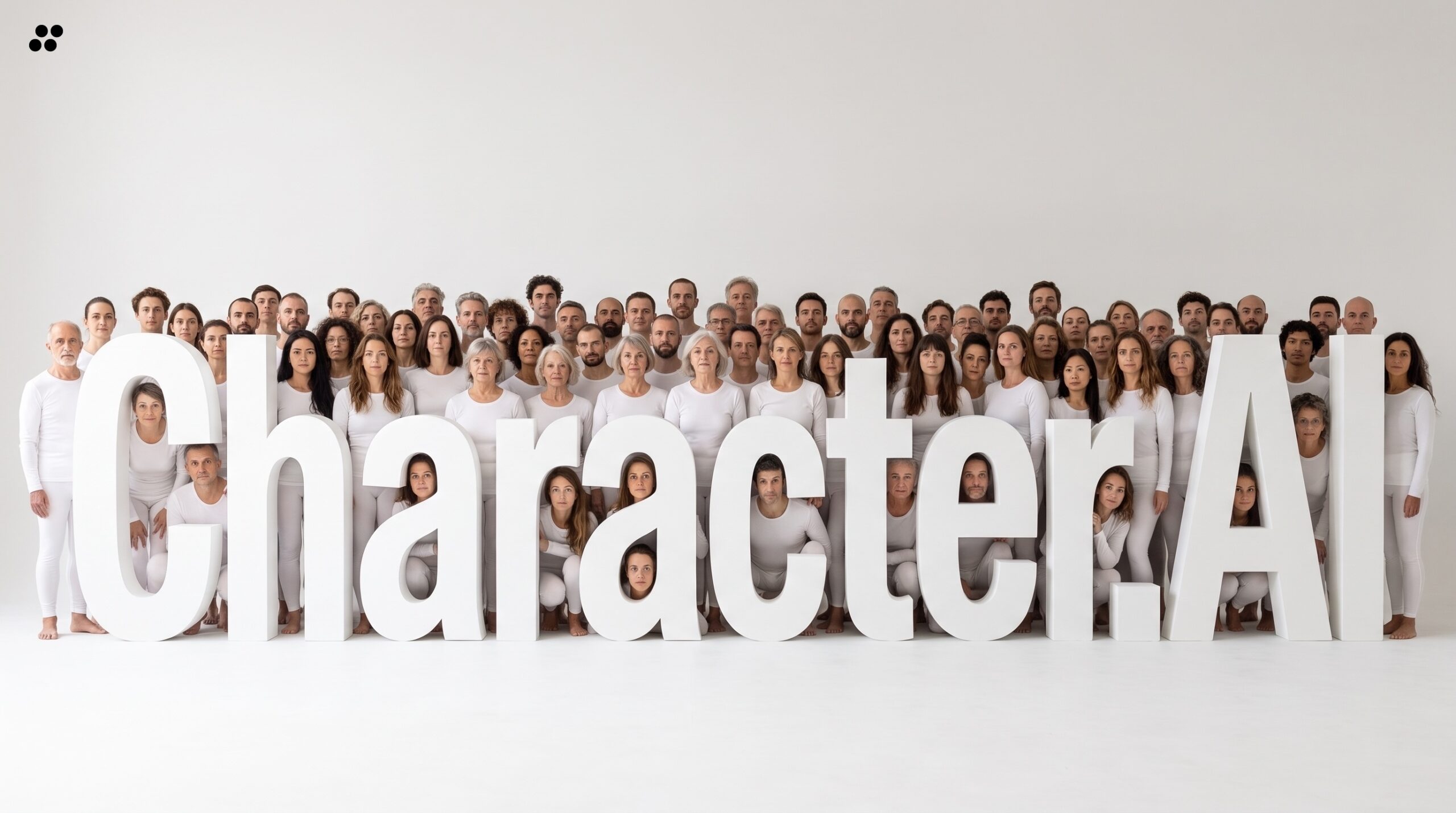
Character.AI Statistics 2026: 20 Million People, 75 Minutes a Day
Read more: Character.AI Statistics 2026: 20 Million People, 75 Minutes a DayCharacter.AI reports about 20 million monthly active users, and the company says they spend an average of 75 minutes a day on the platform. Half of them belong to Generation Z or younger. Revenue runs at roughly 30 million dollars a year on a valuation of about one billion, the founders left for Google in a 2.7 billion dollar licensing deal, and since November 25, 2025, no one under 18 can hold an open-ended conversation there. Every…
Someone to think with.
Stay Social
We hold ourselves to one promise: we push you toward the people in your life, never away from them.
We measure success by how little you need us. If you spend less time with Prinsessa because you are spending more of it with them, that is not a failure. It is proof that it is working.
That is what we stand for. In every conversation. Every day.
Follow Prinsessa