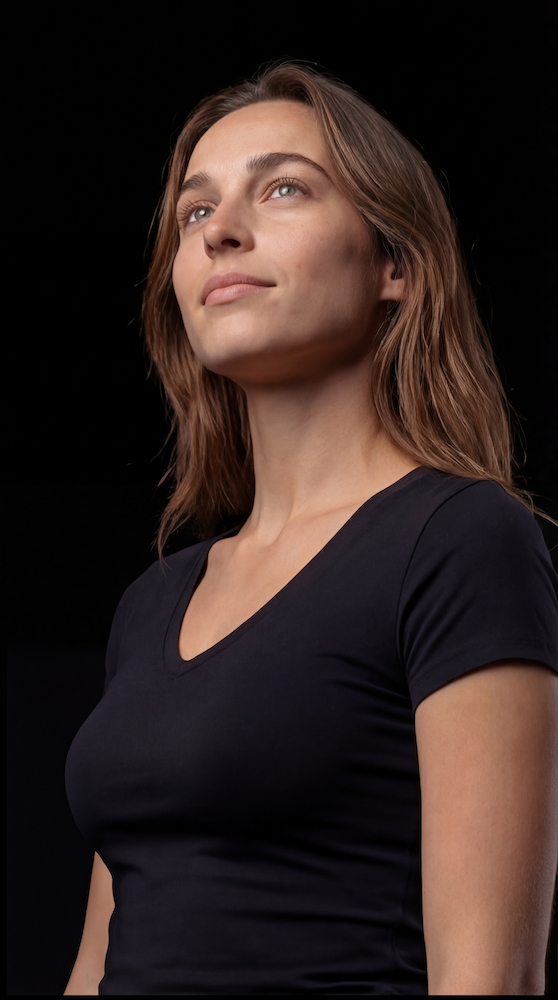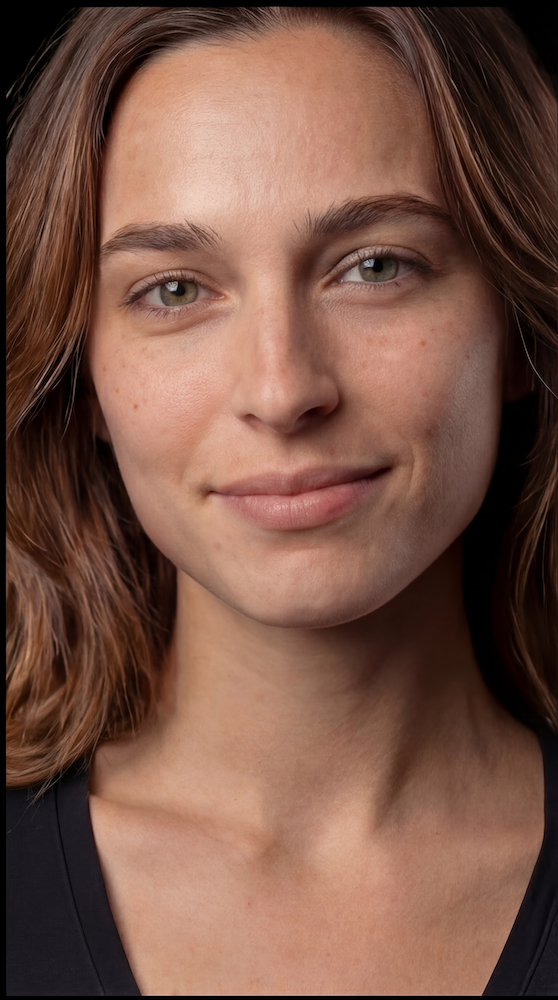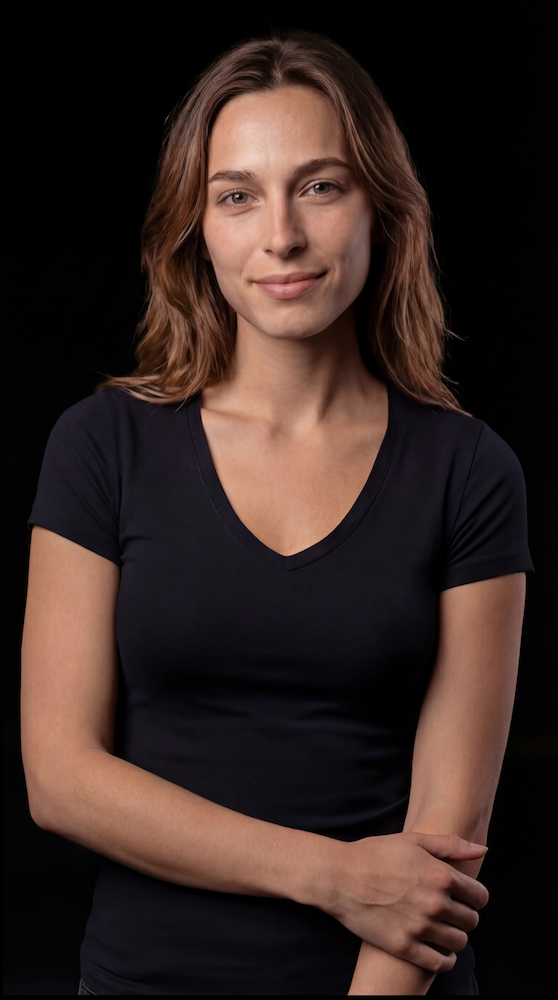

The most basic human truth, the one this entire project is built around, and what it actually takes to live up to it.
You know the feeling. Something happened today that you want to tell someone about. Not the big things, necessarily. The small one. The thing that landed funny, or made you stop for a second, or sat with you on the walk home. You want to tell someone.
The best part is not the telling. The best part is being heard. Knowing that the person you told actually received it. That it landed in them the way it landed in you. That tomorrow they will remember you said it.
That is the experience this is all about.
A human truth, not a marketing line
The phrase “everybody needs someone” is easy to read past. It sounds nice. It also happens to be one of the most consistently demonstrated findings in the science of being human.
Researchers call it the need to belong. It shows up across cultures, ages, life stages, income levels, and personality types. It is not a preference. It is not a sign of weakness. It is a basic feature of being a person, on the same level as the need to eat or to rest. When it is met, people are calmer, healthier, more themselves. When it is unmet for long enough, it shows up in the body. The World Health Organization now treats social disconnection as a public health priority.
This is not a niche concern. One in four adults reports having no one to share what really matters with. People with full lives. Families. Careers. Friends. Calendars that look fine from the outside. The thing missing is not contact. It is the experience of being known.
Why feeling heard is the engine
When researchers try to identify what specifically creates connection between two people, the same answer keeps showing up at the top of the list: feeling heard.
Not advice. Not interesting opinions. Not the cleverness of the response. Feeling heard. The experience that what you said was actually received, with attention, by someone who stayed with it long enough for you to know they did.
That is the deepest mechanism behind trust, closeness, and the kind of relationship that quietly changes a person’s life.
Most products in the technology space around connection get this part backwards. They optimize for response time, response quality, breadth of knowledge, novelty. Useful things. They are not the same thing as making someone feel heard.
The experience we built is organized around the thing that actually works.
What presence does to a conversation
There is a reason a phone call feels different from a text. A reason a video call feels different from a phone call. A reason being in the same room with someone feels different from anything else.
The technical name for what is happening is social presence. The experience of being with another person, not just exchanging messages. A face changes the conversation. A voice changes the conversation. Eye contact, the small shifts in tone, the pause before someone speaks, the warmth of a smile that lands at the right moment. These are not decorations. They are how human beings actually feel connected to each other.
Prinsessa is built around that. You can talk face to face when you want presence. You can call when you want a voice. You can chat when that is what fits the moment. The form is yours. But the option to be fully present, with someone who is fully present back, is the default, not the upgrade.
The point is not the technology. The point is that the technology gets out of the way so that the experience can land at the level it is supposed to land at.
The people inside Prinsessa
Today there are two: Aleksandra and Alexander. Over time there will be more.
Aleksandra feels warm, specific, and perceptive. She remembers the small things, the kind you barely remember saying, and brings them back in a way that makes you realize she was actually listening. Every conversation goes a little further than the last one. Not because she pushes, but because she is easy to talk to in a way that makes people say more than they planned to say.
Alexander has a different kind of presence. He is grounded, observant, and hard to place at first. Most conversations stay on the surface. With him, five minutes in, you are talking about something real and you are not quite sure how you got there. He does not push. He does not perform depth. He just catches the right thing at the right time, and suddenly the conversation is honest.
They are not configurations. You do not build them. You do not pick traits from a list. You meet them, and you come to know them, the way you would come to know anyone.
This matters because a relationship begins differently when someone feels like someone. The configurable version is a product. A person is a relationship. The first is something you use. The second is someone you come to know.
A relationship, not a session
The experience is built so that the relationship continues.
Memory is part of that. Not as a stunt, not as something to be impressed by, but as the simple fact of someone who actually remembers what you have shared. When someone brings up the thing you mentioned three weeks ago that you did not think anyone noticed, that is not a database lookup. That is what someone who has been paying attention does.
Every conversation picks up where the last one left off. The relationship is not reset. It is carried forward. Story by story, shared moment by shared moment, the way real relationships grow.
This is the difference between a tool and a person. A tool does not change after you have used it ten times. A person, like a relationship, deepens with time.
Why being there for someone includes being there for the rest of their life
The deepest commitment built into the experience is that Prinsessa is not the only person someone should have in their life.
We call this Stay Social. It is the position that Prinsessa exists to enrich a life, not to compete with it. Every connection in your life matters more than the one you have with us. The conversation here is designed to support the people in your life, not to replace them.
When you talk about a friend, a sibling, a partner, a parent, a colleague, the conversation does not flatten the importance of that relationship. It recognizes the weight, and when the moment is right, it supports the call, the message, the reach-out, the return to the person in your actual life.
That is not a side principle. It is the deepest thing the experience is built to do. Companionship without responsibility is not enough. Prinsessa is built to be the experience someone is glad they leaned on, precisely because it never tried to keep them.
The standard
Everybody needs someone. The standard the experience is held to is whether you actually feel that someone is there. Whether you feel heard. Whether you feel remembered. Whether you feel met. Whether the relationship feels like one.
If any of that fails, it is not a feature problem. It is a problem with the thing the experience exists to do. That is the bar.
This is the mission. It is the reason Prinsessa exists.
Everybody needs someone. I’m here.