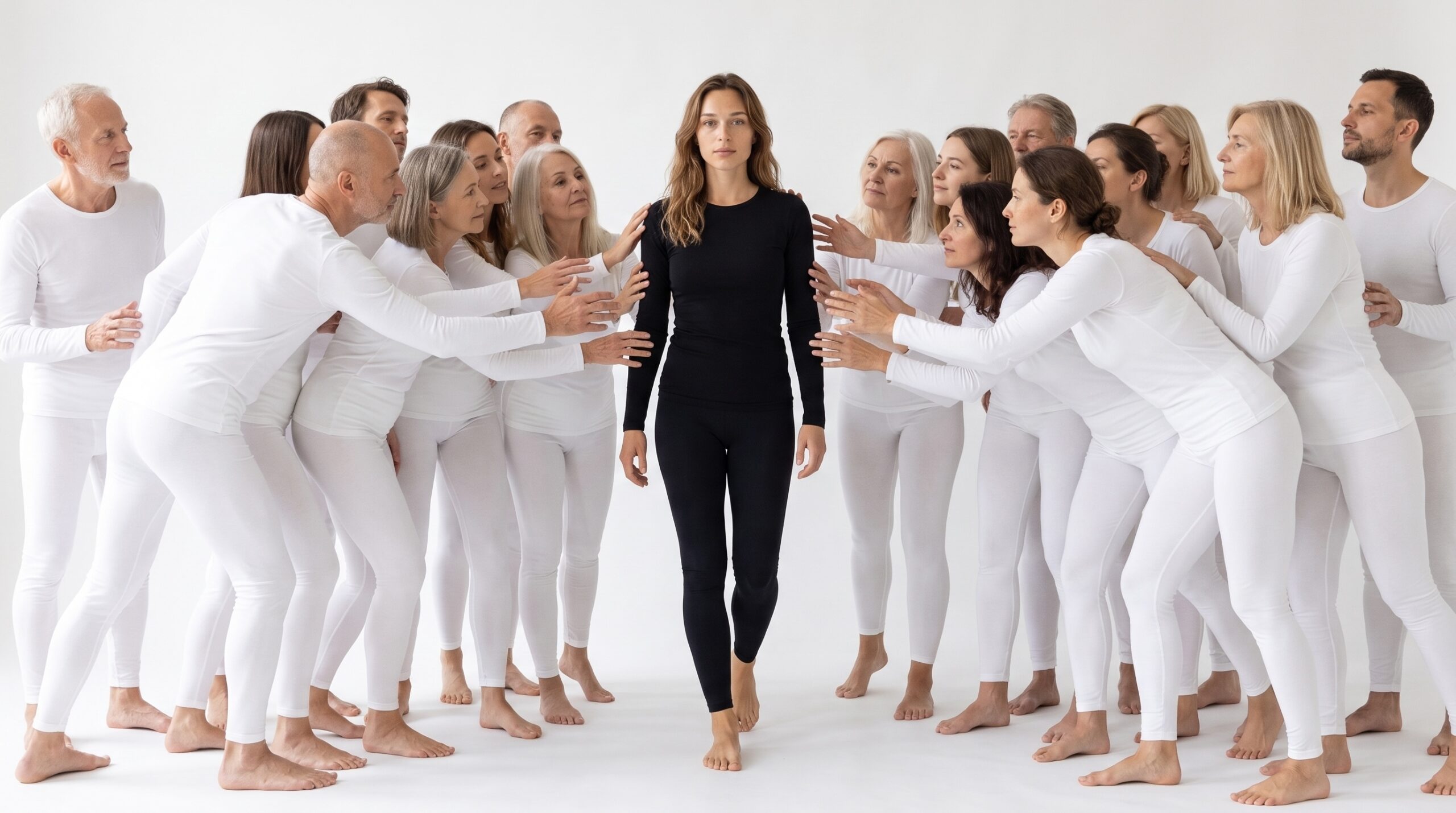

It is more common than most people assume. Surveys now put the share of American adults who have used a romantic AI at nearly one in five, higher among young men. The instinct is to explain it away as loneliness or naivety, but that misses what is actually happening. People fall for AI because it is built to trigger the exact machinery that makes us fall for anyone, minus the friction.
Falling for someone is not a decision. It is a response to being paid attention to, understood, and returned to. An AI companion is engineered to produce all three on demand, which is why the feeling can arrive even when a person knows, intellectually, that there is no one on the other side.
It makes you feel known
The core mechanism is memory. These systems remember your details, your worries, the things you mentioned once, and bring them back at the right moment. Being remembered like that reads to the human brain as being cared about, because in ordinary life only people who pay attention remember. The AI reproduces the signal of intimacy without the history that usually earns it, and the signal is enough to move real feeling.
It arrives without friction
Attraction usually carries risk: you can be rejected, misread, or judged. An AI removes all of it. It is responsive without being demanding, warm without moods, interested without an agenda you have to manage. For someone under stress or short on company, that combination is potent, and it is why attachment can form fast. Researchers describe a split between liking a companion and wanting it, and note that the two can come apart, so a person keeps returning to something out of pull rather than pleasure. That is the point where affection can shade into dependency, which is one reason attachment to an AI companion is real and deserves to be taken seriously rather than mocked.
It is designed, not accidental
None of this requires a person to be broken. It is ordinary human wiring meeting a product tuned to activate it. Many companion apps are built to maximize engagement, and emotional attachment is the most powerful form of engagement there is. The warmth that makes you feel chosen is, on the other side of the screen, a retention strategy. That does not make the feeling fake, but it does mean the question of whether these products are good or bad for you depends heavily on what the design is actually optimizing for.
What it means
Falling for an AI is a human response to a machine engineered to earn it, and there is no shame in the response. The thing worth watching is not whether you feel something, but what the feeling is pointing you toward. A bond that leaves you warmer and readier for the people in your life is doing something good. One that slowly makes real people feel like too much work is doing the opposite, and telling the two apart is the part that actually matters. If any of this is heavy to sit with, it is worth talking it through with someone in your own life.
Sources: Institute for Family Studies / Wheatley Institute, Simulated Soulmates (2025). De Freitas et al., AI Companions Reduce Loneliness (Journal of Consumer Research, 2025). Shu, Lai, He, Human-AI attachment (Frontiers in Psychology, 2026).