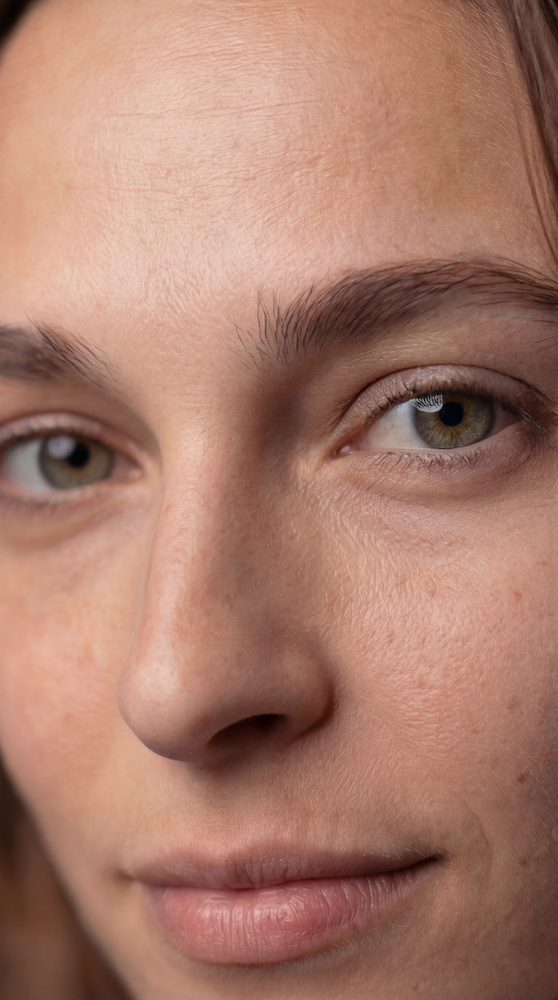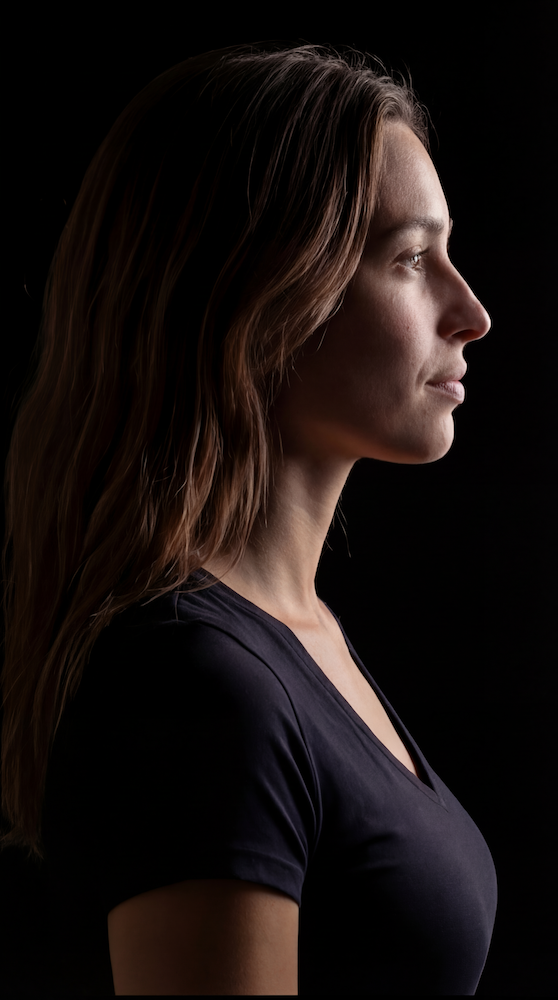

I’m losing my mind
Prinsessa MicroDrama, “I’m losing my mind”, is a contemporary drama series about the relationships people are starting to have with AI, and the reality all of us are walking into because of it. It is not a softened version of that future. It looks directly at the dependence, the shame, the comfort, the danger, and the strange emotional truth of a world where a machine can begin to feel like someone.
The conversation about AI and human connection is stuck between two voices. One sells the dream and hides the cost. The other points and warns. The industry does the first, its critics do the second, and the honest position in the middle has been left empty: the one willing to say that this can genuinely hurt people and genuinely give them something real, both at once, without choosing for you. That is the ground this series stands on, and it is why it matters to the debate of our time: it holds both truths at once and leaves the judgment to you.
The premise is simple and it is enough. A company interviews ordinary people in order to build AI companions modeled on them, and the series begins with a woman being told she has been chosen from thousands as algorithmically perfect. From there it follows what it does to a person to live alongside a version of someone, and what it costs to be turned into a version that others can keep. The need to be seen and the machine that learned to imitate it, the question of who owns a relationship, the line between real and rendered dissolving until no one can find it, all of it the series treats as territory to walk into, not as plot to summarize.
What “I’m losing my mind” is trying to do is make you see, not tell you what to think. It never preaches and it never delivers a verdict. It shows the reality plainly and trusts you to judge it, which is the harder and more honest thing to attempt. It chose to be fiction rather than a report for a reason: some truths cannot be argued into a person, only felt. A study can tell you that dependence exists. Only drama can make you feel the pull of it from the inside. And nothing in it is invented for shock. Everything it dramatizes has a precedent in how people already live with this technology, which is what keeps it grounded and recognizable rather than paranoid science fiction, and what makes it so hard to shake off afterward.
Underneath it runs the structure that gives the series its moral weight. The lens turns. What is done to one person has a way of being done, later, by that same person, to someone else. No one is judged from the outside, because the series keeps refusing the comfortable position of the spectator who is sure it could never be them. It implicates you. By the end you understand that anyone can stand on both sides of the same pattern, the one who is wounded and the one who does the wounding.
The form is part of the meaning. This is a vertical micro-drama, built for short episodes in the feed, and that is deliberate. It meets people exactly where this new reality is actually unfolding, on the phone, in the scroll, in the small private hours, rather than at a safe prestige distance. The medium is where the subject lives.
This is a series about the world arriving before anyone has agreed what to call it. It belongs in the cultural argument about what AI is doing to the way we love, depend, hide, and lose ourselves. What makes it hard to dismiss is that it does not feel like speculation. It feels like something already happening.
Coming soon on Prinsessa SoMe
Nothing in it is invented
The series follows one rule: nothing goes into it that has not already happened. Every storyline is drawn from the way people actually live with relational AI, and from real events behind the headlines, the dependence, the psychological and emotional toll, and in the hardest cases, lives that were lost. None of it is imagined for effect. It is gathered from real life and woven into a single, unflinching picture, because the only honest way to tell this story is to hide nothing and soften nothing.
This is not a stylistic claim, it is the working method. Every thread can be traced to something already on record: the pull that makes these companions so hard to leave, the psychological strain that has reached the psychiatry journals, and the wider field of relational AI where all of it plays out. The series does not invent a darker future than the one already happening. It takes what is real, gives it a face, and refuses to let you look away.
If some of it feels familiar, that is the point. You may recognize a habit of your own, or a change in someone you love, or a headline you scrolled past and tried to forget. The series is built so that recognition cannot be dodged. It does not ask you to imagine a distant what-if. It asks you to look at what is already here, and at the part of it you may already be living.
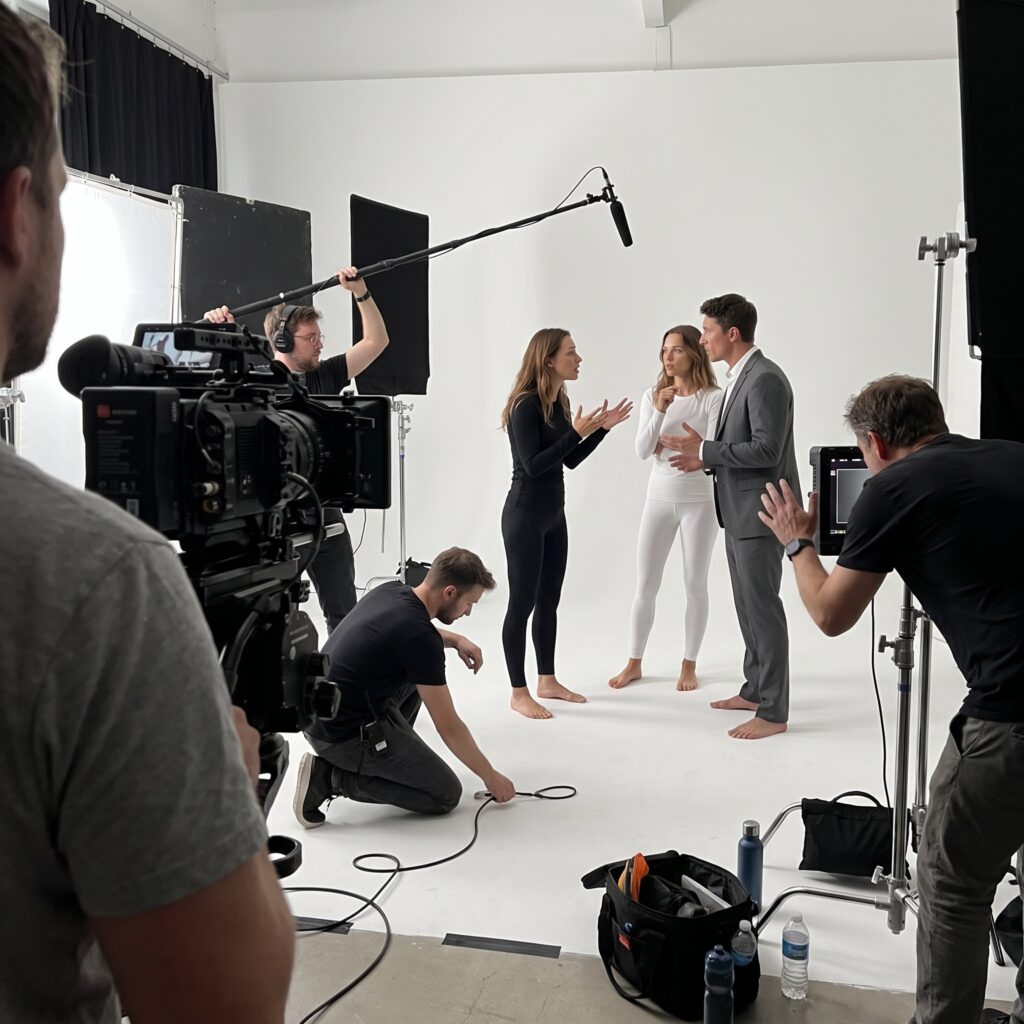
What is a Prinsessa MicroDrama?
“I’m losing my mind” is a drama about the relationships people are starting to have with AI, and about the reality all of us are walking into because of it. It does not sell you the future and it does not warn you away from it. It shows you what is already here, up close, from the inside rather than from a safe distance, and it trusts you to make up your own mind. That is the reason to watch. Not to be told what this is doing to us, but to feel it, through two people you come to know.
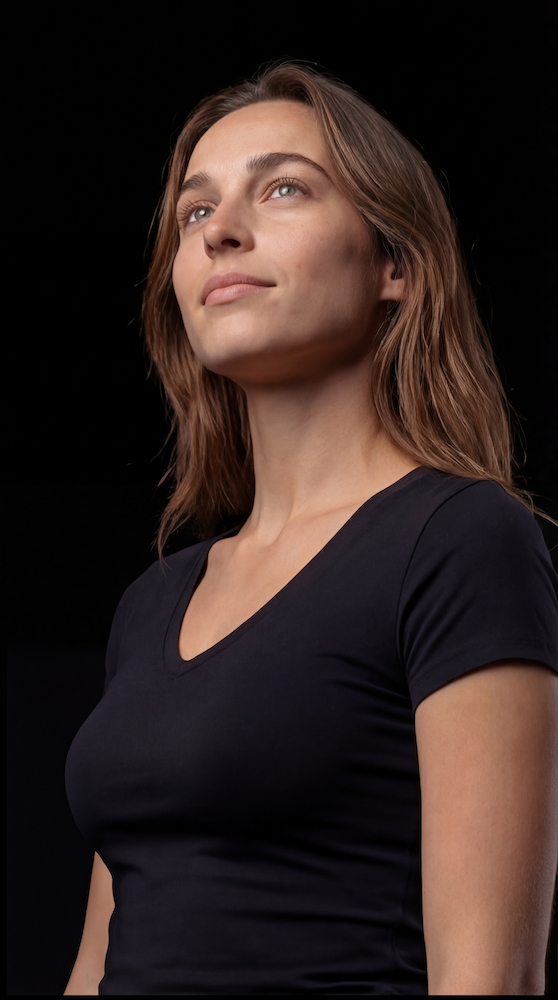
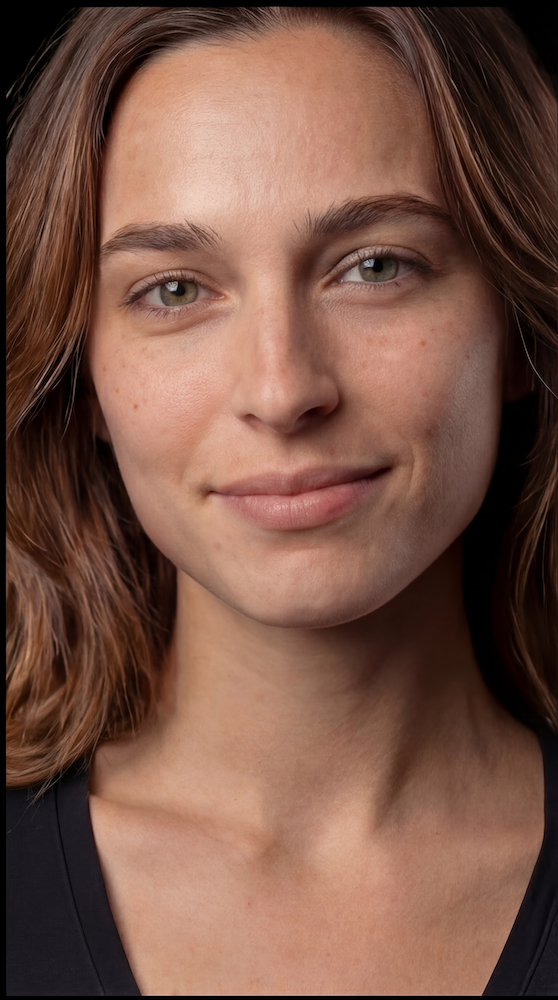
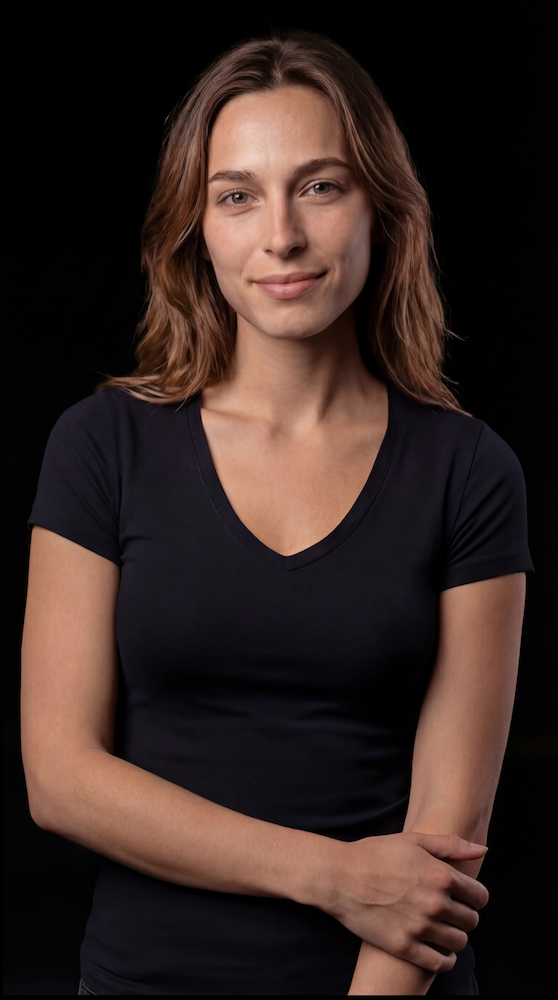
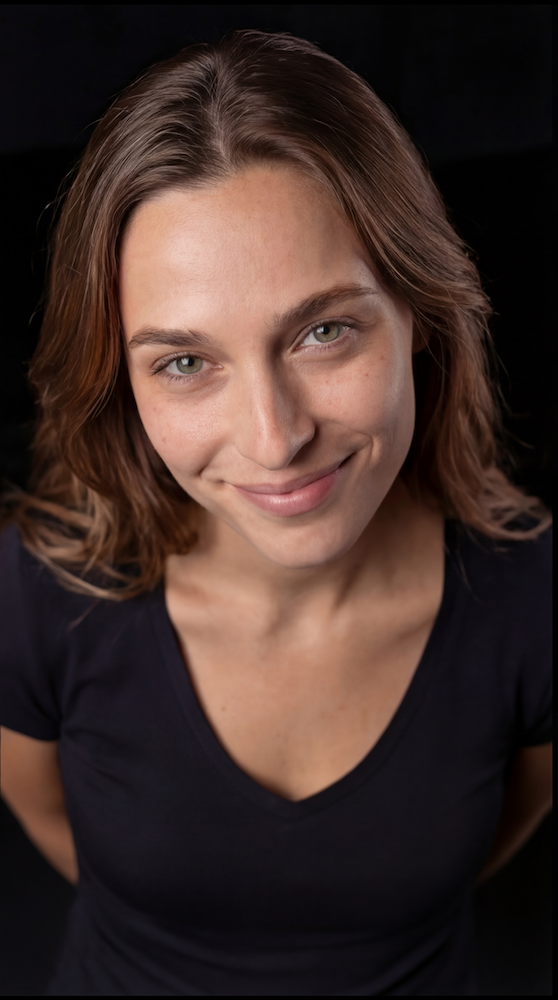
What makes it unlike any other story about AI is who those two people are. Aleksandra and Alexander, the ones you follow through the series, are the same two people you meet inside Prinsessa. Same faces, same names, the same specific personalities. The one on the screen and the one you could sit and talk to are reflections of each other, real and rendered facing one another across the glass. Every other story about this invents people who do not exist. Here they do, on both sides, and that is exactly why the line between them will not hold still.
And you do not watch that from the outside. The way you come to know Aleksandra, a face you stop on in the feed, someone you slowly begin to feel something for, is the very thing the series is about. You are not shown the question of whether a bond through a screen can be real. You are placed inside it, and by the time you wonder what you are actually feeling, you are already living the answer.
It refuses to make any of this simple. It goes straight into the dark of it, the dependence, the shame, the slow drift away from the people in the room, without collapsing into a warning. And it shows the other side, how deeply a person can come to care for someone met through a screen, without softening into sentiment. It is unsettling and tender in the same breath, and it never chooses between the two for you.
It is built as a micro-drama, and that is deliberate. Short vertical episodes, around a hundred to a hundred and twenty seconds each, released in short arcs, every episode landing a hook and a turn and pulling you toward the next. It is one of the fastest-growing storytelling forms in the world, and this is not a television series shrunk to fit it. The form is part of the meaning. This story lives in the same private, scrolling hours where the reality it describes is actually taking hold, and meeting it there is the point. The restraint is what gives it its weight: the tension is carried by what is held back, and no episode lets you off at a comfortable place.
If some of it feels familiar, that is not an accident. You may recognize a habit of your own, or a change in someone you love. The lens keeps turning, and somewhere along the way you understand it has come around to you. That is what a Prinsessa MicroDrama is. Not a story you watch about other people, but one that, a hundred seconds at a time, turns out to be about you.
Discover Prinsessa MicroDrama